
"native products"
5000 article(s) found

Cultivation conditions of three native species of coffee beans
Coffee is mainly divided into three categories: Arabica (Arabica), Robusta (Robusta) and Liberia (Liberica), but Arabica and Robsta are mostly in circulation in the market. No matter what it is, it has its advantages and disadvantages, and its purpose and use are not the same. There are about 40 species of coffee plants, but only coffee beans with commercial value can be produced.

Essex plus Chevy washed Wakayega native coffee beans, brand recommendation and manor
For professional baristas, please follow the introduction of the coffee workshop (Wechat official account cafe_style): this bean comes from a single farm Ethiopia and is processed by the Waka Cooperative (Worka cooperative). Alemayehu Alako Farm is a member of the Waka Cooperative. The Waka Cooperative, located in the south of Gedeb District, was founded in 2005 and joined the famous Yejia Xuefei that year.

Guji producing area of Ethiopia | Solar treatment of native species of Dasaya Tasha / Zifengling G1
Professional coffee knowledge exchange more coffee bean information please follow the coffee workshop (Wechat official account cafe_style) Ethiopia Guji producing area | Solar treatment Dasaya Tasha / Zifengling G1 native species flavor? The original text of Dasaya in Ethiopia is Dawala Samayawi, which means purple wind chimes! The bean, like its name, is constantly reminiscent of purple when drinking.

A cup of good drink in one minute, the native evolution version of the capsule coffee machine.
Because I didn't want to be abused by instant coffee, I had a craving for a capsule coffee machine some time ago: the coffee powder with a good proportion was sealed in a jelly-shaped capsule box, and when I wanted to drink it, I threw a capsule into the machine. After a while, a cup of freshly brewed coffee of good quality could come out. There was no need to grind the beans in advance or clean them afterwards. I could change the taste by changing the capsule.

Lim producing area | Lima Lemma Nicholas NegusieG3 | Heirloom solarization local native species wind
Professional coffee knowledge exchange more coffee bean information please follow the coffee workshop (Wechat official account cafe_style) Ethiopia Lim production area | Nicholas G3 | Heirloom sun local native flavor? Crops produced in Ethiopia in 2008, including wheat, corn, sesame and coffee, were fully introduced into E.C.X 's trading system (Ethiopian Commodity Exch

Ninetyplus coffee90+ Coffee introduction Ninety plus90+ Coffee grading
Professional coffee knowledge exchange more coffee bean information please follow the coffee workshop (Wechat official account cafe_style) what is NINETY PLUS (90 +)? Ninety plus is an internationally renowned coffee bean production and sales company, and is famous for providing rare and unique raw coffee beans. In addition to working directly with coffee farmers, it has 134 hectares in Panama.

How much is a kilo of coffee beans? how to buy coffee beans? Ethiopian native species sun-dried coffee raw bean price
Coffee seeds cannot be grown directly with coffee fruits picked from coffee trees. Peeling coffee fruits is like planting peanuts. If you plant a peanut with a shell in the soil, it cannot sprout. You must plant peanuts. It is the same with medium coffee. If you have coffee fruit in your hand, you can first bask it in the sun and shake it until it is shaken inside.

Classification, price, raw beans and roasting degree of coffee beans of Ethel é plus Chuefei washing Wakayega native species
Professional baristas please follow the coffee workshop (Wechat official account cafe_style) Ethiopia's coffee grading system, with washed Grade 2 and dried Grade 4 as the highest level, so in the past there was only Yirgacheffe WP G2 on the market. Note: Yirgacheffe G1 is transferred from Japan's Mitsubishi to Ethiopia Coffe.
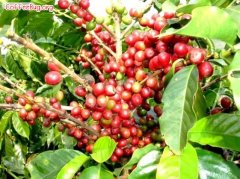
The basics of coffee beans the three native species of coffee
Coffee belongs to the evergreen shrub of the genus Rubiaceae, which is centered in the tropics. There are about 6000 species of Rubiaceae belonging to 500 genera. Coffee has always been thought to have certain effects, such as strengthening the stomach, waking up the brain, stopping bleeding, dissipating heat, strengthening the body, and so on. The more famous Rubiaceae plant is Gardenia jasminoides, whose fruit was dried and used as medicinal material a long time ago. The three native species of coffee

Gemma Aglu producing area | Duromina du Nomina Cooperative Ethiopian Native species washing G1
Professional coffee knowledge exchange more coffee bean information please follow the coffee workshop (Wechat official account cafe_style) Gemma Agru production area | Duromina du Normina Cooperative Ethiopian native species washed G1 flavor? From Du, Dumina Cooperative, a local processing plant in Agaro, Oromia State, southern Ethiopia.
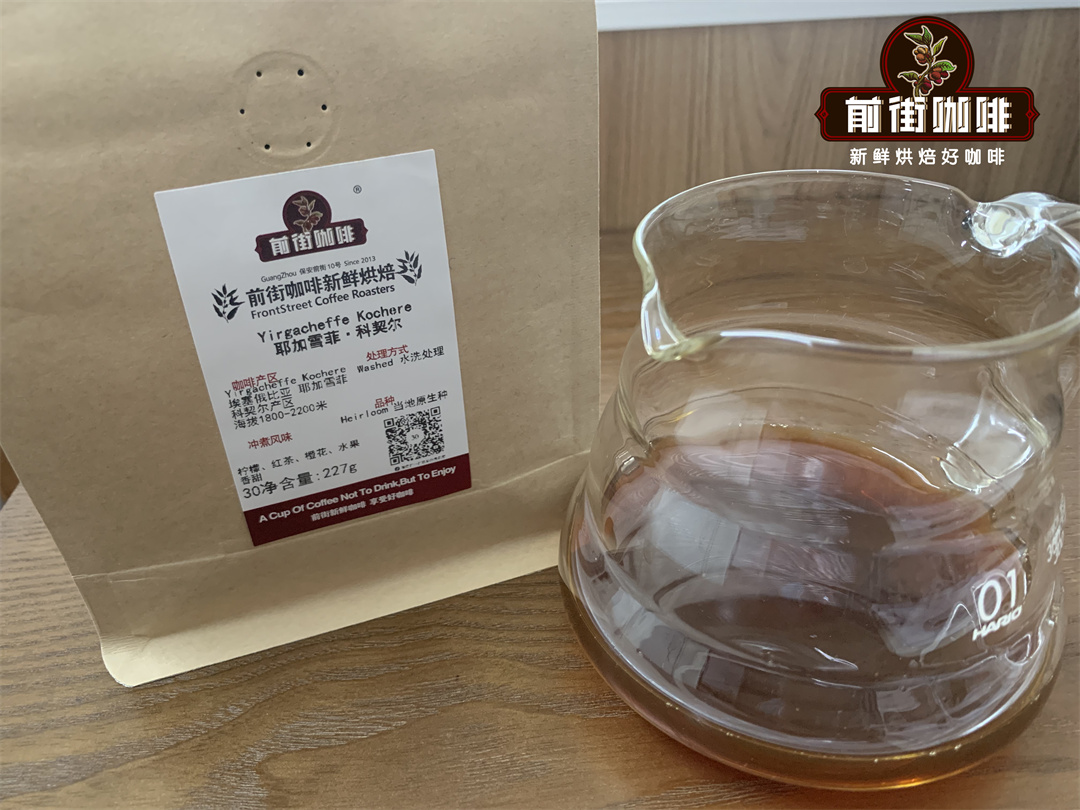
Differences between native species G1meme G4 washed with kochere in Yega Fischer, Ethiopia
In Ethiopia, in addition to being wild in the woods, coffee trees can also grow directly in vegetable gardens and are grown in a fairly simple way. To put it funnily, for Ethiopians, picking and drinking coffee in the backyard is like a Chinese grandmother who goes to the water channel tonight and pulls out her own sweet potato leaves.

Boutique 90 + coffee characteristics 90 + coffee
Juliet (Juliette H2): [Origin]: 90 + Panamanian Rosa Manor, [season]: 2013 to 2014 [Variety]: Rosa [Level]: 39 [altitude]: 1250m-1650m [treatment]: honey treatment [Flavor]: rich floral flavor on the basis of rose summer seed flavor, the entrance taste will have the taste of orange peel, caramel and dried cashew fruit.
High-quality coffee beans with rich layers: 990 + planting situation of fine coffee beans, geographical location, simple climate, simple altitude
Red Honey Kiss (Nekisse Red N2): [Origin]: 90 + Ethiopia Wellega (Waliga) and Sidama (Hidamo) production areas [season]: 2013-2014 [Variety]: Ethiopian Native species [Level]: 39 [altitude]: 17502000m [treatment]: sun [flavor]: red treatment enhances blueberry, cherry, brandy
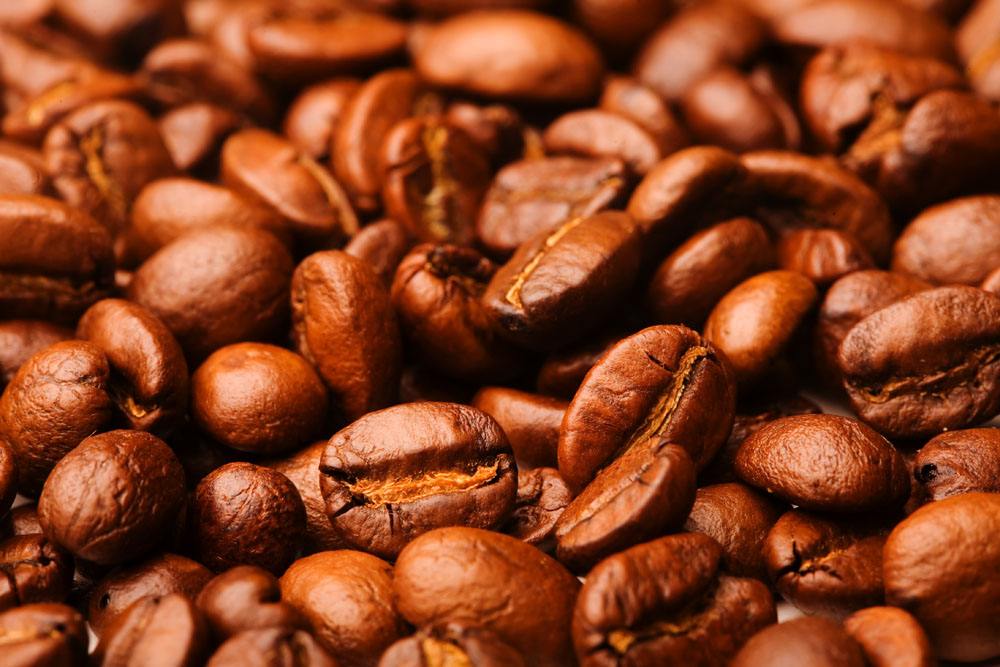
Introduction of boutique coffee 90 +
Following Cafe Review (official account vdailycom of Wechat) found that Cafe Cafe opened a small shop of its own (Sillvia Solkiln N2): [Origin]: 90 + Panamanian Rosa Manor [season]: 2013: 2014 [Variety]: Rosa [Level]: 95 [altitude]: 1250m-1650m [treatment]: 90 + patented Solkiln tanning house

Description of Flavor and Flavor of Native Coffee from BONKO treatment Plant in Sidamo, Ethiopia
Professional barista exchanges please follow the coffee workshop (Wechat official account cafe_style) ■ country: Ethiopia ■ Manor: Bonko processing plant ■ production area: Sidamo ■ treatment: wash washing ■ harvest time: 2014 arrival instructions and brewing suggestions: Bonko processing plant is located in the Dara district of Sidamo, coffee is originally provided by 350 farmers who use it for a long time.

The basic knowledge of Coffee beans Coffee beans are the three native species of coffee
Coffee belongs to the evergreen shrub of the genus Rubiaceae, which is centered in the tropics. There are about 6000 species of Rubiaceae belonging to 500 genera. Coffee has always been thought to have certain effects, such as strengthening the stomach, waking up the brain, stopping bleeding, dissipating heat, strengthening the body, and so on. The more famous Rubiaceae plant is Gardenia jasminoides, whose fruit was dried and used as medicinal material a long time ago. The three native species of coffee

What kind of Brazilian coffee is yellow bourbon? is it native to Brazil?
For the exchange of professional baristas, please pay attention to the coffee workshop (Wechat official account cafe_style) as there are so many kinds of coffee in Brazil, you can't just use the word Brazilian coffee to include it. The vast majority of Brazilian coffee is unwashed and sun-dried and is classified according to the name of the state of origin and the port of transport. Brazil has 21 states and 17 states produce coffee, but four of them produce the most coffee.

A brief introduction to the three native varieties of coffee introduction to the taste of Hawaiian Kona Tieka Coffee
Professional coffee knowledge exchange more coffee bean information please follow the coffee workshop (Wechat official account cafe_style) Qianjie coffee three varieties, derived species of Hawaiian Kona coffee according to the scientific biological classification system, coffee belongs to the plant kingdom, Rubiaceae, coffee genus, coffee species. Species is the basic unit of plant taxonomy, divided according to the nature or characteristics of the plant itself.

Ethiopia Yega Cephalophene washing Yega native species Waka WorkaG1 single boutique coffee beans
Factory name: Dazhen Coffee Qianjie Cafe location: Guangzhou Baoqian Street 10 manufacturer contact Information: 38364473 ingredients Table: self-baking shelf life: 90 net content: 227g packaging: raw and ripe coffee beans in bulk: whether coffee beans contain sugar: sugar-free origin: Ethiopia roasting degree: light roasting Ethiopia Washed Yirgacheffe Worka G1 country

Ethiopian coffee bean native species of coffee bean producing area description of taste and flavor
Ethiopia has nine major coffee producing areas:, Sidamo, Yegashefi, Hara, Gemma, Lim, Iruba, Gimbi (Lekanti), Tibby, and Bebeca. Among the nine major coffee producing areas in Ethiopia, the most famous are Yegashifi, Sidamo and Harald, the largest coffee producing areas.